
The villanelle is one of the most distinctive poetic forms in Western literature, and it has preserved the voices of poets for centuries. Known for its repeating lines and fixed rhyme scheme, the villanelle demands precision, musicality, and careful control of language. This form has been embraced by poets to convey emotion, memory, and reflection in a way that reinforces the voice of the writer. Through the repetition and structure inherent in the villanelle, poets are able to leave a lasting imprint on readers, creating a sense of continuity across literary history.
Villanelle’s history stretches back to the 16th century in France, where it began as a pastoral song form. Early poets used it to celebrate nature, love, and the rhythms of rural life. Over time, the form evolved, but its core characteristics—a nineteen-line structure divided into five tercets and a concluding quatrain, with two refrains alternating throughout—remained intact. This repetition creates a lyrical echo that emphasizes central themes and emotional resonance. Today, poets continue to use the villanelle to explore human experience, demonstrating its enduring capacity to preserve poetic voice.
The Structure and Mechanics of the Villanelle
Fixed Form, Fluid Expression
The villanelle is celebrated for its formal constraints. Each poem consists of nineteen lines, with the first and third lines of the opening tercet alternating as refrains in the remaining tercets. The rhyme scheme typically follows ABA, with the final quatrain incorporating both refrains. This structure creates a tension between repetition and variation, challenging the poet to express new meaning within familiar lines.
Despite these constraints, the villanelle allows for fluidity of expression. Poets can explore diverse themes, from love and loss to memory and mortality, while maintaining a sense of musicality and coherence. The rigid structure emphasizes the voice of the poet because it foregrounds the repeated lines, which carry emotional weight and thematic significance. The result is a poem where the form amplifies the content, making the poet’s presence unmistakable.
Repetition as Emphasis
The alternating refrains in a villanelle give the poem a meditative, echoing quality. The repetition allows readers to return to the poet’s central thoughts, creating a rhythm that reinforces emotional intensity. This feature is particularly effective for exploring obsession, grief, or longing, as the repeated lines take on new meaning with each appearance.
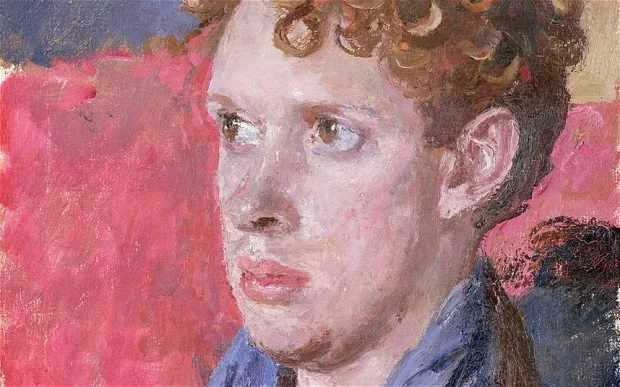
Poets like Dylan Thomas and Elizabeth Bishop have exploited this technique to powerful effect. The refrains act as a voice echoing through time, preserving the poet’s unique perspective while engaging the reader in a cyclical meditation. In this way, the villanelle becomes more than a formal exercise; it is a vessel for memory, feeling, and enduring presence.
Villanelle and Emotional Resonance
The Form as a Medium of Memory
The villanelle’s repeating lines are particularly effective for capturing memory and reflection. By revisiting key phrases, poets create a sense of lingering thought, where certain emotions or ideas remain central to the poem’s experience. The form mirrors the way human memory works—returning to certain images and ideas while allowing subtle changes in perception over time.
This capacity to preserve and revisit thought makes the villanelle a powerful tool for poetic voice. The repetition enforces the significance of key words and images, ensuring that the poet’s perspective resonates with readers long after the poem is read. Villanelle’s musical and structural patterns work in tandem to embed the poet’s voice into the text.
Conveying Obsession and Desire
Villanelle is uniquely suited to exploring obsession and desire. The refrains act as a persistent echo, mirroring the cyclical nature of thought when preoccupied with love, loss, or grief. The repeated lines create tension, as the poet negotiates between the fixed form and the evolving meaning of each line.
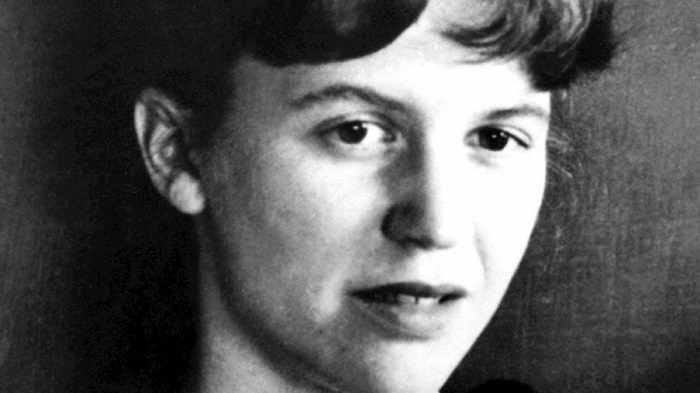
Many modern poets, such as Sylvia Plath in her poem “Mad Girl’s Love Song,” demonstrate the villanelle’s power to preserve intense emotional voice. Plath’s repeated lines communicate a sense of longing and confusion, drawing the reader into her inner experience. The form allows the poet to dwell on a central emotion, creating depth and resonance that transcends the page.
Historical Influence and Literary Continuity
From French Pastoral to English Tradition
The villanelle originated as a French pastoral form, intended for song and recitation. Its early practitioners used it to celebrate the cycles of rural life, including seasons, love, and pastoral imagery. These origins provided a foundation for the form’s musicality and emphasis on repetition.
When English poets adopted the villanelle in the 19th and 20th centuries, they transformed it to suit new themes and sensibilities. Poets like W.H. Auden and Dylan Thomas adapted the structure to address contemporary concerns, including mortality, personal identity, and existential reflection. Through these adaptations, the villanelle preserved both the poetic voice and the evolution of literary concerns across generations.
Preserving Poetic Voice Through Time
One of the villanelle’s most remarkable qualities is its capacity to maintain the poet’s voice across centuries. The fixed form ensures that central ideas are reinforced, while the refrains allow emotional intensity to develop. When a reader encounters a villanelle, they hear the poet’s presence in every repetition. The structure guarantees that the voice is not lost or diluted, even as the poem’s meaning shifts subtly with each reading.
By preserving voice in this way, the villanelle connects readers to historical traditions while allowing contemporary interpretation. A villanelle written today can echo the concerns of past poets, demonstrating continuity in human emotion and artistic expression.
Villanelle in Modern Poetry
Contemporary Practice
Modern poets continue to embrace the villanelle for its musicality and structural discipline. Its repeating lines offer opportunities for experimentation, while its historical resonance lends weight to contemporary themes. Writers often use the form to explore modern anxieties, such as alienation, climate change, and social justice, while maintaining the formal beauty established by their predecessors.
Emotional and Intellectual Engagement
The villanelle challenges both poet and reader. For the poet, it requires precision and innovation within strict constraints. For the reader, it offers the pleasure of repetition and evolving meaning. The alternating lines invite reflection, emphasizing key emotions and ideas. This engagement ensures that the poet’s voice is not only preserved but amplified, creating a dialogue between author and audience that transcends time.
Conclusion
The villanelle remains one of the most enduring poetic forms because it preserves the voice of poets across generations. Its repeating refrains, fixed rhyme scheme, and musical rhythm create a sense of permanence and resonance. Poets from Dylan Thomas to Sylvia Plath have used the form to explore memory, emotion, and human experience, demonstrating its versatility and power.
Through the villanelle, poetic voice is not lost but reinforced. Each repetition echoes the poet’s thoughts, ensuring that their perspective continues to reach new readers. The combination of structure and creativity allows the form to bridge historical and cultural divides, linking writers and readers across centuries.
The enduring appeal of the villanelle lies in its ability to marry form with emotion, precision with imagination. By doing so, it continues to safeguard the presence of the poet’s voice, making villanelle a timeless and vital form in the history of literature.









Write a comment ...