
Villanelle poetry occupies a unique space in the landscape of literature. Its strict form, characterized by repeating lines and a fixed rhyme scheme, challenges poets to convey emotion, narrative, and meaning within tight constraints. At the heart of the villanelle is repetition, which is more than a structural necessity; it serves a symbolic and thematic function. The repeated lines and refrains allow poets to emphasize central ideas, create emotional resonance, and explore the tension between inevitability and variation.
Repetition in villanelle poetry is not mere redundancy. It carries the weight of memory, obsession, and inevitability. Poets use repeated lines to anchor the reader, highlighting the persistence of certain thoughts, feelings, or experiences. By examining this symbolic function, we can better understand why the villanelle has been a powerful medium for exploring human psychology, time, and emotional intensity.
The Structure of the Villanelle
Form and Repetition
The villanelle consists of nineteen lines, divided into five tercets and a final quatrain. The first and third lines of the opening tercet alternate as refrains throughout the poem and appear together in the final quatrain. This strict structure imposes a repetition pattern that defines the form.
The repetition is both structural and symbolic. It forces the poet to revisit key lines, reinforcing their thematic importance. The refrains resonate with the reader because they reappear in slightly shifting contexts, suggesting both continuity and transformation. Villanelle poetry demonstrates how form can amplify meaning through repetition.
The Rhyme Scheme
The rhyme scheme of a villanelle is equally rigid: ABA for each tercet, with ABAA in the final quatrain. This rhyme, combined with repeated lines, creates a circular, almost hypnotic effect. The reader senses a return to central ideas, as if the poem itself is revolving around a central emotional or symbolic axis.
The combination of rhyme and repetition allows villanelle poets to explore themes of inevitability and obsession. The repeated lines gain significance with each iteration, reflecting the human experience of recurring thoughts or unresolved emotions.
Repetition as a Symbol of Obsession
Psychological Resonance
One of the most significant symbolic functions of repetition in the villanelle is the portrayal of obsession. When a line recurs, it mirrors the mind’s fixation on a thought, memory, or feeling. The reader experiences the repetition as a rhythmic echo, mirroring the relentless nature of obsession.
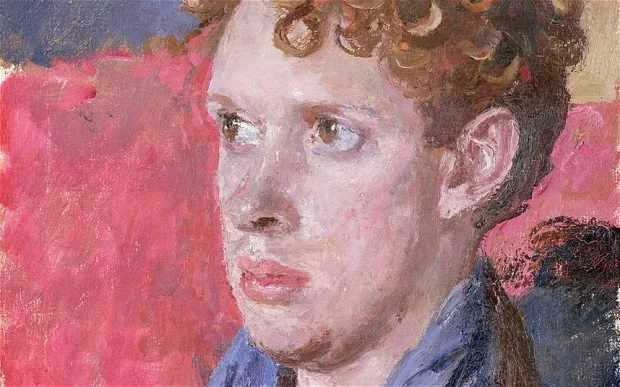
For example, in Dylan Thomas’s Do Not Go Gentle into That Good Night, the repeated refrain “Do not go gentle into that good night” embodies the poet’s insistence and emotional urgency. Each recurrence deepens the impact, emphasizing resistance against death and the human desire to assert control over fate. Villanelle repetition becomes a tool for illustrating the intensity of human emotion and the persistence of memory.
Emotional Amplification
Repetition in the villanelle also amplifies emotion. A single line, repeated throughout the poem, gains weight and resonance as it interacts with the surrounding verses. The reader experiences a crescendo of feeling, as the repeated line builds layers of meaning and association.
In this way, villanelle poetry transforms simple repetition into a symbolic representation of emotional depth. It reflects the way certain thoughts or experiences dominate consciousness, returning persistently despite the passage of time.
Repetition as a Symbol of Fate and Inevitability
Cyclical Nature of Life
The repeated lines of a villanelle can symbolize the cyclical nature of life. Life events, emotions, and conflicts often recur, and the villanelle’s form mirrors this reality. By returning to the same lines, poets suggest that certain experiences are unavoidable or predetermined.
The structure of the villanelle allows poets to explore the tension between human agency and fate. The reader senses both continuity and entrapment, as the recurring lines suggest that some experiences are inescapable. Villanelle repetition therefore serves as a symbolic reflection of the patterns that govern life and nature.
Reinforcing Themes of Inevitability
Repetition also reinforces the thematic elements of inevitability in a poem. Lines that reappear can signify destiny, mortality, or the persistence of a condition. The refrain’s return mirrors the inescapable realities that the poem seeks to address.
In poetry that meditates on aging, death, or unfulfilled desire, repeated lines become markers of time’s unrelenting flow. Villanelle poetry uses repetition to suggest that certain truths endure and recur, giving the reader a sense of the inevitability embedded in human experience.
Repetition as a Bridge Between Memory and Imagination
Linking Past and Present
Another symbolic function of repetition in the villanelle is its ability to connect memory and imagination. Each repeated line can evoke previous occurrences within the poem, creating a dialogue between past and present. The poet can shift meaning subtly with each recurrence, allowing reflection on change, growth, or loss.
The reader experiences the line anew each time, remembering its previous appearance and observing how its context evolves. Villanelle repetition thus becomes a vehicle for exploring temporal consciousness and the interplay of memory and perception.
Creating a Musical and Meditative Experience
Repetition in villanelle poetry also generates musicality and meditation. The recurring lines act like motifs in a musical composition, creating rhythm and harmony. The structure encourages reflection, inviting readers to dwell on the repeated phrases and consider their implications.
Through this, villanelle poets transform language into a meditative instrument, using repetition to heighten the reader’s engagement with both sound and meaning. The form allows poetry to become not only a narrative or emotional medium but also an auditory and contemplative experience.
Examples from Villanelle Poetry
Dylan Thomas and Mortality
As mentioned earlier, Dylan Thomas’s Do Not Go Gentle into That Good Night exemplifies the power of repetition. The repeated line underscores resistance, human strength, and the refusal to surrender. Its symbolic resonance grows with each iteration, reflecting the universality of mortality and human defiance.
Elizabeth Bishop and Memory
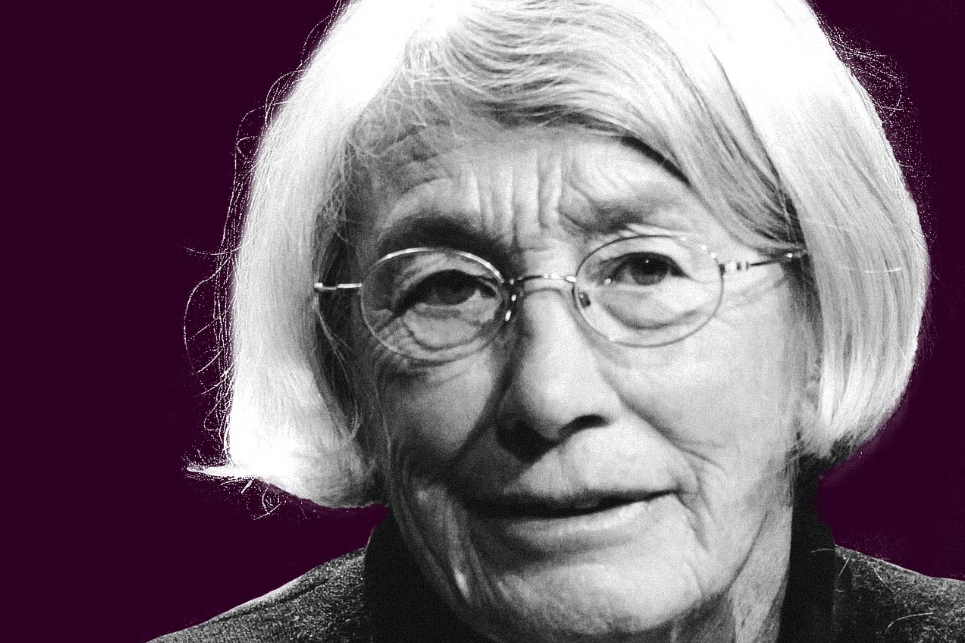
Elizabeth Bishop’s One Art is another notable villanelle, in which repetition conveys the inevitability of loss. The refrain “The art of losing isn’t hard to master” evolves with each stanza, transforming from a casual observation to an emotionally charged acknowledgment of human vulnerability. Here, villanelle repetition becomes a symbolic instrument for exploring grief and acceptance.
Conclusion
The symbolic function of repetition in villanelle poetry is central to the form’s power and enduring appeal. Through repeated lines, poets explore obsession, emotional intensity, inevitability, memory, and reflection. Repetition transforms the form from a technical exercise into a profound medium for human expression.
In villanelle poetry, repeated lines are not mere stylistic devices; they carry thematic weight, emotional resonance, and symbolic significance. They allow poets to capture the persistence of thought, the cyclical nature of life, and the layered complexity of human experience. Each recurrence invites the reader to engage with the poem more deeply, to consider how repetition mirrors the patterns of consciousness, memory, and fate.
Ultimately, the villanelle demonstrates how structure and symbolism can work together to create poetry that is both technically precise and emotionally rich. Repetition becomes a language of its own, capable of conveying meanings that evolve with every return. In the hands of skilled poets, the villanelle transforms the simple act of repeating a line into a meditation on life, time, and human consciousness.



Write a comment ...