
The villanelle is a poetic form renowned for its strict structure and repetitive elegance. Its nineteen-line pattern, consisting of five tercets followed by a quatrain, relies on two refrains and two repeating rhymes. This repetition creates a musical quality and an intricate echoing effect, making it a powerful medium for exploring the theme of time. Both classic and modern poets have used the villanelle to examine memory, mortality, and the passage of life. The form’s cyclical nature mirrors the way time can feel both relentless and recursive, allowing poets to meditate on its effects with precision and emotional resonance.
From the work of Dylan Thomas to contemporary practitioners, the villanelle has proven uniquely suited to capturing temporal concerns. Its refrains can reflect obsession, lingering thought, or inevitability, making it ideal for contemplating moments that return in memory or recur in daily life. This article explores the villanelle and the theme of time in classic and modern poetry, analyzing its structure, historical evolution, and thematic possibilities.
Structure and Function of the Villanelle
Repetition as a Reflection of Time
At the heart of the villanelle is repetition. The first and third lines of the opening tercet alternate as refrains throughout the poem, appearing in the second and fourth tercets and concluding the quatrain. This structure mirrors temporal cycles, suggesting the recurring nature of experience and memory. Time, in a villanelle, does not pass linearly; it returns, overlaps, and intensifies with each repetition.
Repetition in the villanelle can emphasize inevitability. The poet may revisit a single thought or moment, underscoring its significance or emotional weight. This feature allows for a meditation on the inescapable aspects of time, such as aging, loss, and remembrance. Through this repetition, the villanelle achieves a musical rhythm that reinforces the thematic exploration of temporal persistence.
Rhythmic and Rhyme Patterns
The rhyme scheme of the villanelle—aba for the tercets and abaa for the concluding quatrain—creates a sense of continuity and closure simultaneously. The returning rhymes echo like moments in time, resonating throughout the poem. In this way, the villanelle embodies a tension between the transient and the enduring, a tension that is central to the theme of time.
The formal constraints challenge poets to craft language that is both precise and resonant. Each word must serve the dual purpose of adhering to the rhyme and contributing to the poem’s thematic weight. This disciplined approach often produces concentrated expressions of temporal reflection, where each repetition deepens meaning rather than diluting it.
Classic Villanelles and Temporal Meditation
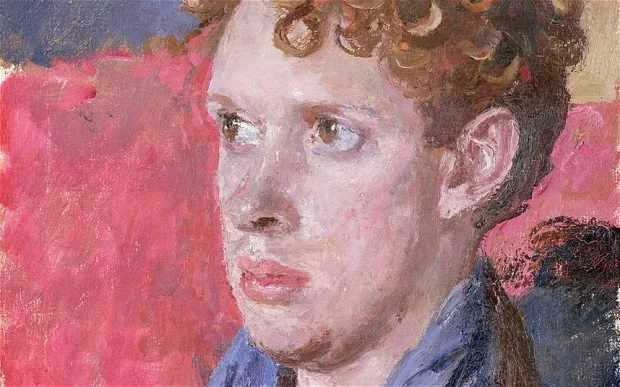
Dylan Thomas and the Awareness of Mortality
One of the most celebrated examples of a villanelle exploring time is Dylan Thomas’s Do Not Go Gentle into That Good Night. Thomas uses the villanelle’s refrains to confront mortality and the inevitability of aging. The repeated lines serve as urgent appeals, emphasizing the struggle against the passing of time and the desire to assert agency even as life wanes.
The structure of the villanelle in Thomas’s poem mirrors the cycle of life and death. Each refrain returns like a heartbeat, echoing the poet’s insistence on defiance. The repetition reflects both the inevitability of death and the human response to it. In this way, Thomas demonstrates how the villanelle can convey the tension between temporal limitation and human resilience.
Historical Use in French Poetry
The villanelle originated in the Renaissance, particularly in French poetry, where it often addressed themes of love and nature. Early practitioners used the form to explore fleeting moments, seasonal change, and the transience of human emotion. The repetitive structure allowed poets to emphasize cycles in nature, mirroring the rhythms of days, months, and years.
In classic French villanelles, time is often presented as a recurring force that shapes human experience. Memory and reflection are central, with refrains reinforcing the continuity of temporal experience. These early works set the stage for the villanelle’s enduring association with the meditation on time, mortality, and recurring emotion.
Modern Villanelles and Contemporary Perspectives
Personal Memory and Psychological Time
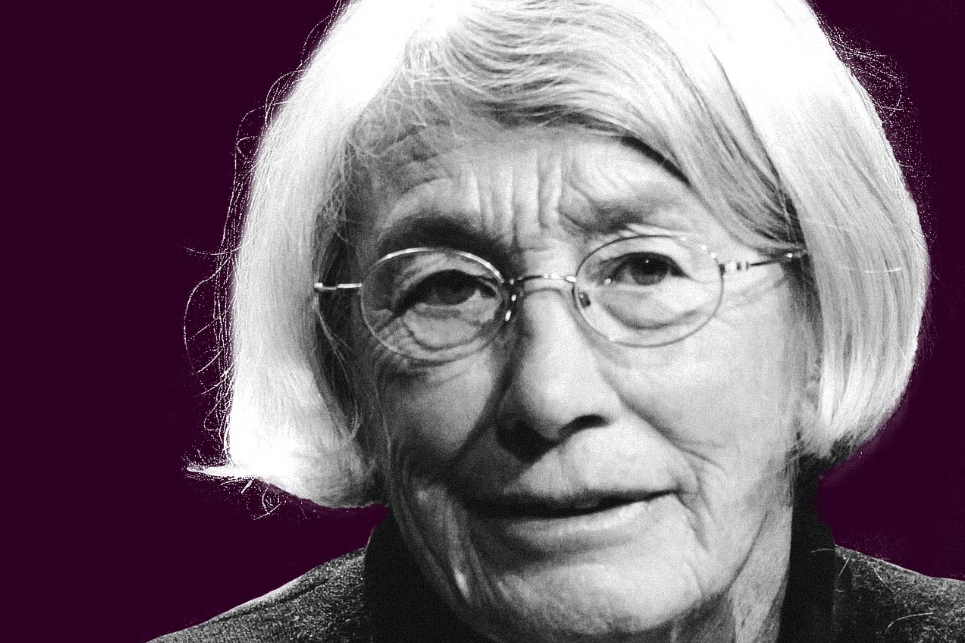
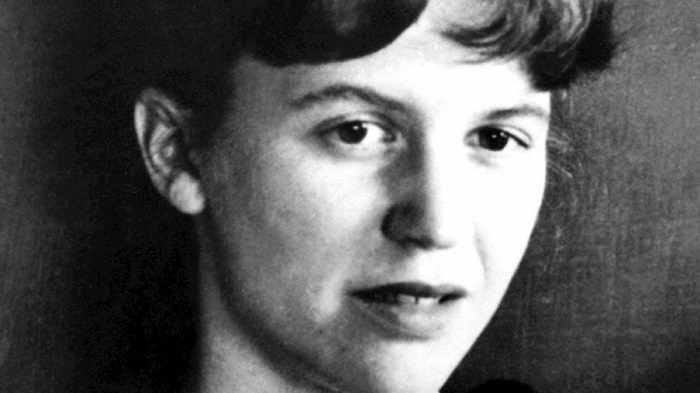
Modern poets have expanded the villanelle’s possibilities, exploring psychological perceptions of time. Poets such as Elizabeth Bishop and Seamus Heaney use the form to examine memory, regret, and the persistence of past experiences. In these works, repetition becomes a way of returning to formative moments, highlighting their impact on identity and emotional life.
The villanelle allows modern poets to capture the non-linear experience of time. Memory does not progress in a straight line; it revisits and reframes moments. By employing refrains, poets create an echoing effect that mirrors this mental and emotional movement, emphasizing how the past continually shapes the present.
Time in Contemporary Villanelles
Contemporary poets often use the villanelle to address societal change and historical consciousness. The repeated lines can evoke cycles of injustice, cultural memory, or generational experience. The form allows for meditation on how historical events repeat, how lessons may be forgotten, and how time’s passage can be both personal and collective.
In these works, the villanelle serves as a vehicle for reflecting on both temporal continuity and disruption. Repetition emphasizes patterns in human experience, while subtle variations in repeated lines can signify change, adaptation, or growth. This duality demonstrates the form’s versatility in addressing the complex nature of time.
The Villanelle’s Unique Capacity for Temporal Expression
Cyclical Experience and Emotional Resonance
The villanelle’s strength lies in its capacity to merge form and theme. Its cyclical pattern reflects the recurring nature of thought and experience. When addressing time, the form embodies the emotional weight of repetition, memory, and inevitability. Each return of a refrain carries not only linguistic but also temporal resonance, making the reader conscious of movement and recurrence.
By linking structural repetition to thematic exploration, poets achieve an intensified emotional impact. The reader experiences the rhythm of time along with the thematic meditation, enhancing engagement and understanding. The villanelle thus becomes more than a formal exercise; it is a tool for immersive reflection on human temporality.
Balance Between Constraint and Creativity
The constraints of the villanelle paradoxically create space for imaginative exploration. Poets must work within strict patterns, yet the refrains allow for subtle variation, echoing the nuanced way time shapes perception. Each repetition can shift in tone, meaning, or emphasis, reflecting the mutable yet persistent nature of temporal experience.
This balance between structure and flexibility makes the villanelle particularly suited to exploring time. Poets can convey continuity, change, and emotional complexity within a tight formal framework, demonstrating how rigid forms can paradoxically enhance expressive freedom.
Conclusion
The villanelle remains one of the most effective poetic forms for exploring the theme of time. Its cyclical structure, refrains, and rhyme patterns provide a natural vehicle for meditating on memory, mortality, and temporal recurrence. Classic villanelles, from French Renaissance poetry to Dylan Thomas, emphasize inevitability and reflection, while modern and contemporary works expand the form to encompass psychological, historical, and societal dimensions of time.
Villanelle achieves a remarkable synthesis of form and content. Its repetition mirrors temporal cycles, while its constraints invite creative engagement. Through the villanelle, poets reveal the tension between permanence and impermanence, continuity and change, past and present. Across centuries, this form continues to provide a unique lens through which writers and readers alike can meditate on the profound, universal experience of time.
By examining both classic and modern examples, it becomes clear that the villanelle is not merely a technical exercise but a dynamic medium for understanding temporal experience. Its enduring appeal lies in its ability to embody the rhythms of life itself, making it an ideal form for poetry that celebrates, interrogates, and mourns the passage of time.




Write a comment ...