
Edward Lear is widely celebrated today as the father of literary nonsense and a master of whimsical poetry. His limericks, playful language, and imaginative creations have delighted generations of readers. Yet during his lifetime, Lear often struggled to gain recognition for his literary talents. Despite his brilliance as a poet, illustrator, and musician, his work was frequently misunderstood or undervalued by contemporaries. The reasons for this struggle are multifaceted, rooted in the literary culture of the Victorian era, Lear’s unconventional style, and his personal challenges.
Understanding why Edward Lear faced difficulties in achieving recognition offers insight into both his life and the broader literary environment of nineteenth-century England. Lear’s story reveals how societal expectations, literary tastes, and personal circumstances can impact the reception of artistic work.
The Literary Climate of Victorian England
The Dominance of Moral and Didactic Literature
During Edward Lear’s lifetime, Victorian England was dominated by literature that emphasized morality, social values, and instruction. Children’s books, poetry, and novels often sought to teach lessons about behavior, obedience, and virtue. Authors such as Charles Kingsley and Mary Louisa Molesworth were celebrated for combining narrative charm with clear moral guidance.
Lear’s work, in contrast, was intentionally absurd, playful, and often nonsensical. His limericks and nonsense poems frequently defied conventional logic and eschewed moral lessons. This divergence made his poetry difficult for Victorian audiences to categorize. Critics often struggled to understand the purpose of his work, dismissing it as trivial or frivolous.
In this environment, Edward Lear’s genius was overshadowed by a literary culture that valued instruction over imagination. While children and certain progressive thinkers appreciated his humor, mainstream recognition remained limited.
Literary Conventions and Expectations
Victorian literary society also prized formal structure, elaborate themes, and moral undertones in poetry. Symbolism, allegory, and epic narratives were considered markers of serious literature. Lear’s nonsense poetry, with its irregular rhythms, whimsical vocabulary, and surreal characters, did not fit neatly into these conventions.
Critics often failed to see the skill behind his wordplay and meter. They were accustomed to poetry that served a clear didactic or emotional purpose. The imaginative and playful nature of Lear’s work, which delighted in the absurd, was therefore marginalized. Edward Lear’s struggle with recognition can be partly attributed to a mismatch between his innovative style and the prevailing literary tastes of his era.
The Nature of Lear’s Work
The Genius of Nonsense
Edward Lear’s poetry, especially his limericks, represents a pioneering approach to language. He employed rhythm, rhyme, and repetition to create music and humor. Characters such as the Owl and the Pussycat exemplify his talent for inventing imaginative worlds that were both whimsical and linguistically inventive.
Despite its brilliance, the very qualities that make Lear’s work enduringly popular also hindered his recognition. Literary critics of the nineteenth century often viewed nonsense as lacking intellectual or moral value. They considered it a form of play rather than serious literature. Edward Lear faced the challenge of presenting work that delighted readers but did not conform to accepted standards of literary significance.
Versatility Across Mediums
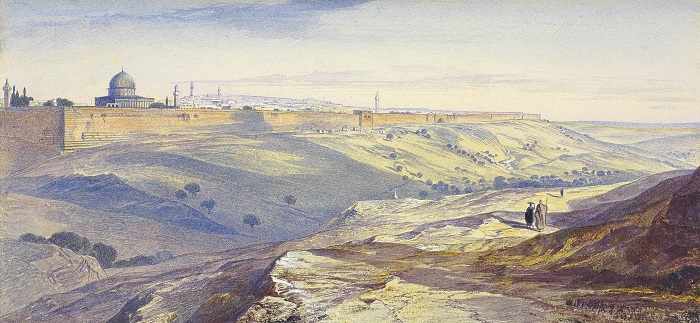
Lear was not only a poet but also an accomplished illustrator, musician, and painter. He produced detailed natural history illustrations, travel sketches, and landscape paintings. While his artistic versatility was remarkable, it may have diluted his public identity. Some audiences knew him as an illustrator, others as a poet, and few understood the full scope of his creative output.
This multifaceted talent meant that Lear did not fit neatly into a single artistic category. His literary contributions were sometimes overshadowed by his visual artistry, making it more difficult for him to achieve consistent recognition as a poet. Edward Lear’s wide-ranging creativity, though remarkable, complicated his ability to establish a singular literary reputation.
Personal and Social Challenges
Health and Emotional Struggles
Edward Lear faced significant personal challenges that affected his career. He suffered from chronic health issues, including epilepsy and vision problems. These conditions sometimes limited his ability to engage with literary society, travel for readings, or promote his work effectively.
Lear also experienced periods of profound loneliness and emotional vulnerability. His sensitivity to criticism and social anxiety made it difficult for him to assert himself in literary circles. Edward Lear’s personal struggles inevitably impacted his public presence and the visibility of his work.
Social Perceptions of Nonsense
In Victorian society, nonsense literature was often associated with childishness or frivolity. Adults frequently dismissed it as mere entertainment, not worthy of serious study. Even when Lear’s work was admired by children and progressive thinkers, it did not receive the institutional endorsement or scholarly attention accorded to conventional poetry.
This social perception contributed to the delay in recognition. Edward Lear’s poetry, though innovative, was often seen as peripheral to the “mainstream” literary canon. His reputation grew slowly, largely through word of mouth, private admiration, and the enduring appeal of his nonsense verse among young readers.
Recognition Through Enduring Popularity
Success Among Children and Educators
Despite limited critical acclaim during his lifetime, Lear’s work found a devoted audience among children and educators. His playful verses and illustrations were incorporated into schools and homes, where they nurtured imagination and creativity. Lear’s influence on childhood literacy and enjoyment of poetry cannot be overstated.
Edward Lear’s work thrived in this niche, demonstrating that recognition is not solely dependent on critical approval. His ability to inspire joy and wonder in young readers provided a form of validation that critics often overlooked.
Posthumous Appreciation
Recognition of Lear’s genius grew steadily after his death in 1888. Literary scholars and poets began to reassess his contribution to the English language and the art of nonsense. Writers such as T.S. Eliot and W.H. Auden acknowledged the technical skill and imaginative power behind Lear’s playful verse.
The enduring popularity of works like The Owl and the Pussycat and his limericks eventually secured Edward Lear’s place in the literary canon. Today, he is celebrated not only as a children’s poet but as a master of language, rhythm, and imaginative storytelling.
Conclusion
Edward Lear’s struggle for recognition during his lifetime can be traced to multiple factors: the Victorian emphasis on moral and didactic literature, the unconventional nature of his poetry, social perceptions of nonsense, and his personal challenges. His work, full of playfulness, invention, and musicality, did not fit the literary expectations of his era.
Despite these obstacles, Lear’s genius could not be contained. His poetry, limericks, and illustrations endured because of their imaginative power and universal appeal. Edward Lear ultimately achieved recognition, albeit posthumously, as one of the most innovative and beloved figures in English literature. His legacy demonstrates that artistic brilliance may not always be immediately understood, but true creativity has the power to transcend time and societal limitations.
Through his unique combination of humor, imagination, and linguistic skill, Edward Lear transformed the landscape of poetry, leaving a lasting impact that continues to inspire readers and writers worldwide.












Write a comment ...